How rental caps are priced
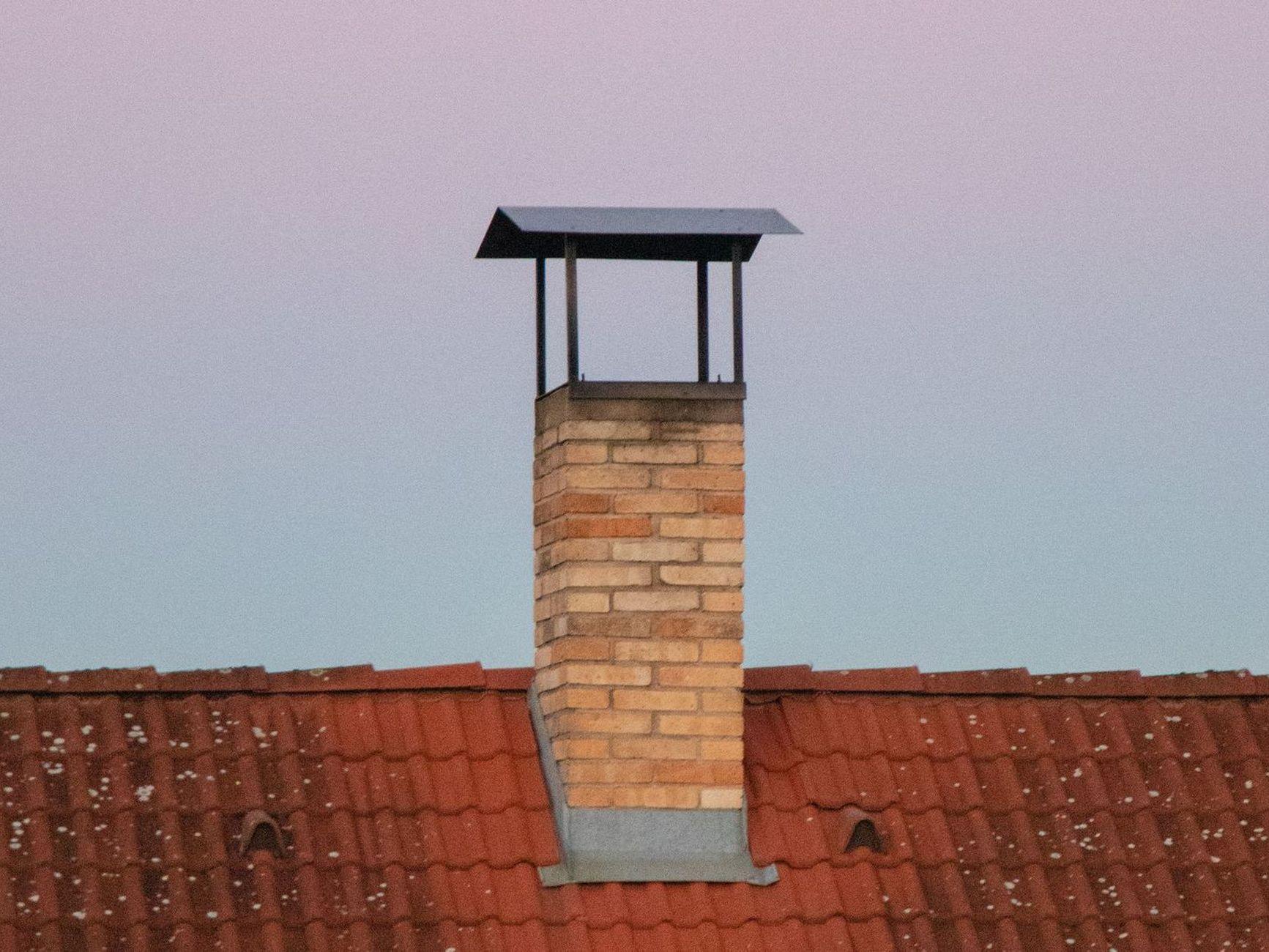
We quote a fitted chimney cap on a rental after we measure. The quote covers the cap and the work to put it on. The simplest job is a single round or square flue on an easy roof. The costliest is a custom piece built to cover a wide stack with several flues, or a cap for a chimney that has to meet a maker's listing.
Most San Fernando rentals are the simpler job. Most rental houses here have one or two flues, and most single-storey roofs are simple to reach. Small apartment buildings with a shared masonry stack are where the price goes up.
What an open flue costs an owner
A landlord does not usually notice a missing cap. The tenant does, and the tenant calls. These are the calls an open flue tends to bring:
- Birds and animals. Pigeons, starlings and the odd raccoon treat an open flue as a shelter. The noise starts the complaint, the smell or the droppings in the firebox finish it.
- Water. Rain runs into the flue and down to the damper and the firebox floor. Over time it rusts the damper, loosens the firebox mortar and stains the wall beside the opening.
- Leaves and debris. Trees overhanging the roof drop straight into an open flue, and a blocked flue sends smoke back into the room the next time someone lights a fire.
- Embers. On a wood-burning unit, a cap with mesh catches sparks before they reach the roof or the yard. In Santa Ana wind season that matters more than anywhere else on the house.
Each of these becomes a service call, a scheduling problem with a tenant and a line in the unit's history. A cap heads off most of that list in a single roof visit.
What sets the cap price
Several things decide the price, and one look at the roof usually shows which apply.
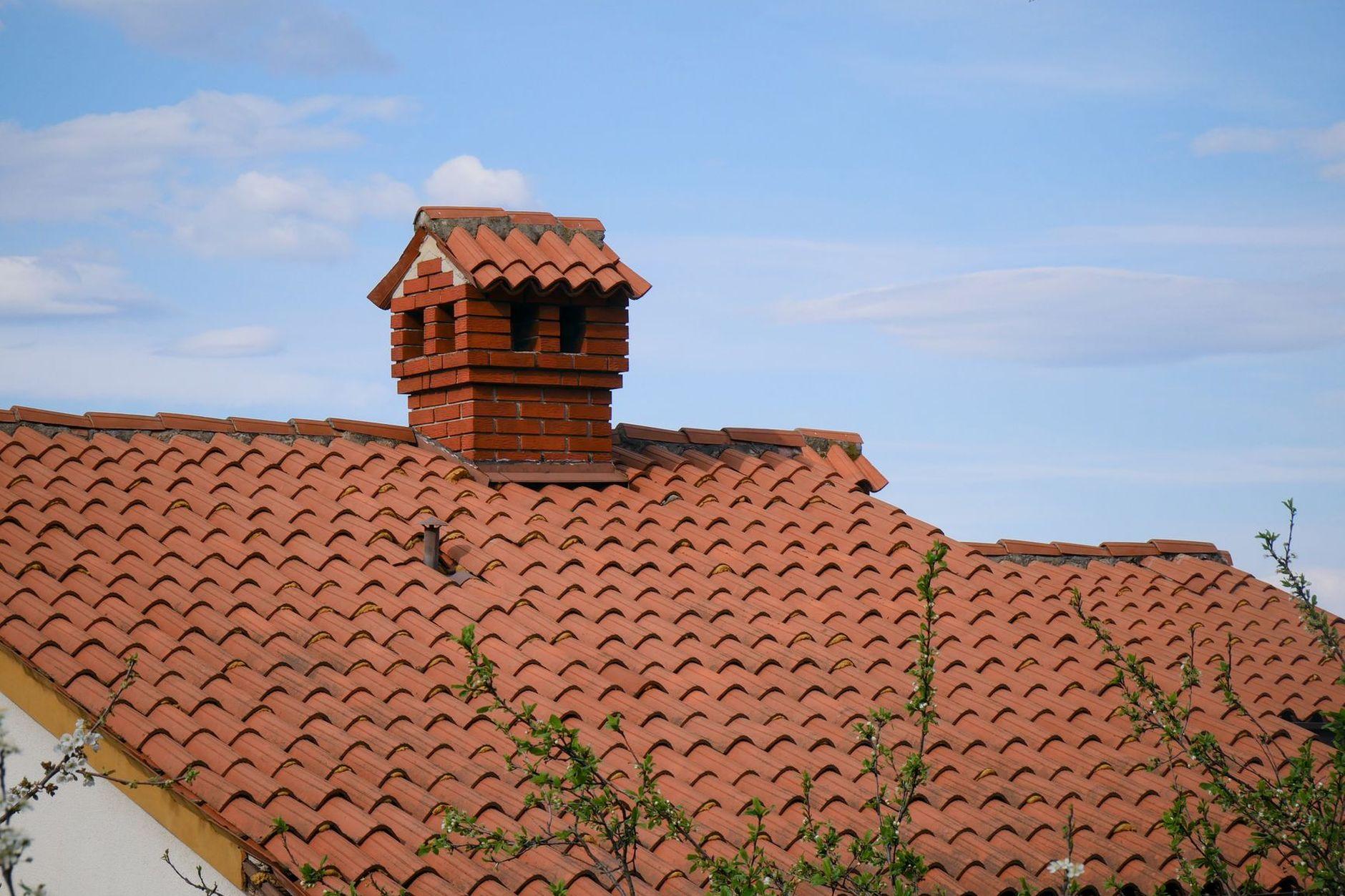
How many flues, and how they are laid out. A single flue tile takes a cap that clamps onto it. Two or three flues in one crown usually need a single cap that covers the whole top, made to the measured size of the crown.
The material. Galvanized steel costs least and wears soonest near the coast. Stainless steel lasts much longer and is what we fit on most rentals. Copper is the dearest and is chosen mostly for looks.
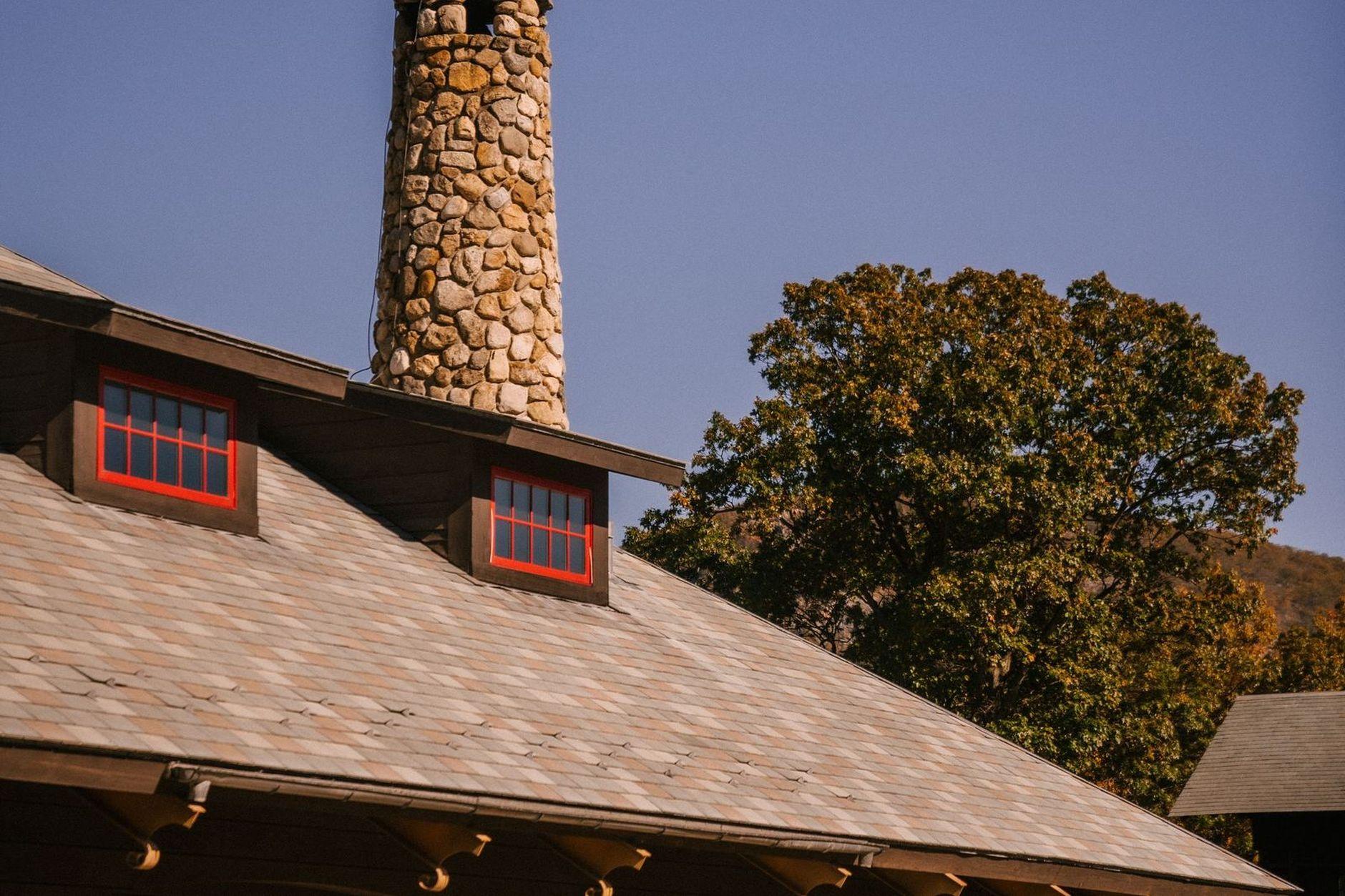
What kind of chimney it is. A brick chimney takes a cap fitted to the masonry. A factory-built metal chimney, the kind boxed in a wood frame, needs the cap the maker lists for that pipe, and some of those are costly or hard to get.
Getting there. A low single-storey roof is quick. A two-storey building with a steep pitch needs more setup, and a few roofs need extra protection for tiles that crack underfoot.
The crown under it. A cap sits on the crown. If the crown is broken, the cap has nothing sound to hold on to. Crown work is a separate job with its own written price; see chimney crown repair.
What decides your price
The number of flues and the type of chimney set most of the figure. Before you book, use the form on this page to give us the rental's address, whether the chimney is brick or a metal pipe in a boxed frame, and how many flue openings you or the tenant can make out at the top. We measure that roof and fix the price in writing before we order the cap.
Caps on lead service lists
The cap is one of the three services this company leads with for rental owners, alongside the chimney inspection and gas fireplace cleaning. The reason is simple: on a rental, it is the part that prevents the most tenant calls for the least money.
When we inspect a unit, the report always says whether the flue is capped, what the cap is made of and whether the mesh is intact. If a cap is missing, the finding comes with its price. Our cap installation page describes the fitting.
Gas units need caps too
Owners sometimes assume a gas fireplace does not need a cap. A gas log set burning in an old masonry fireplace still vents up that open flue, and the flue still takes rain and birds. A sealed gas box with its own vent has a termination cap on the vent pipe, which is part of the unit and has to match the maker's parts.
How the work is scheduled
Caps are fitted from the roof, so the tenant does not need to be home unless we also need to look at the firebox. That makes them easy to book on an occupied unit. We give you the date, you give the tenant notice that someone will be on the roof, and the report for that unit is updated with a photo of the new cap in place.
Common questions from owners
Will a cap stop every leak? No. A cap keeps rain out of the open flue. Water can still come in through the crown, the brick or the flashing where the chimney meets the roof. Our post on chimney leaks in occupied rentals covers those.
Can one cap cover two flues? Yes. On a crown with two or more flues side by side, a single cap that covers the whole top is often the neater choice.
Does the cap need upkeep? A look each year during the inspection is enough. Mesh can clog with soot on a heavily used wood fireplace, which the sweep clears.
Getting a cap on the schedule
If your inspection report lists a missing or rusted cap, or a tenant has heard birds in the chimney, the cap is the right place to begin. Reach us through the contact page with the address and we will set a roof visit.
Put Your Units on the Schedule
Curran crews leave from San Fernando for rentals in Canoga Park, Los Angeles, Beverly Hills and across the county. Each unit gets its own dated report, and repairs wait for a signed scope.