
It starts with a tenant message
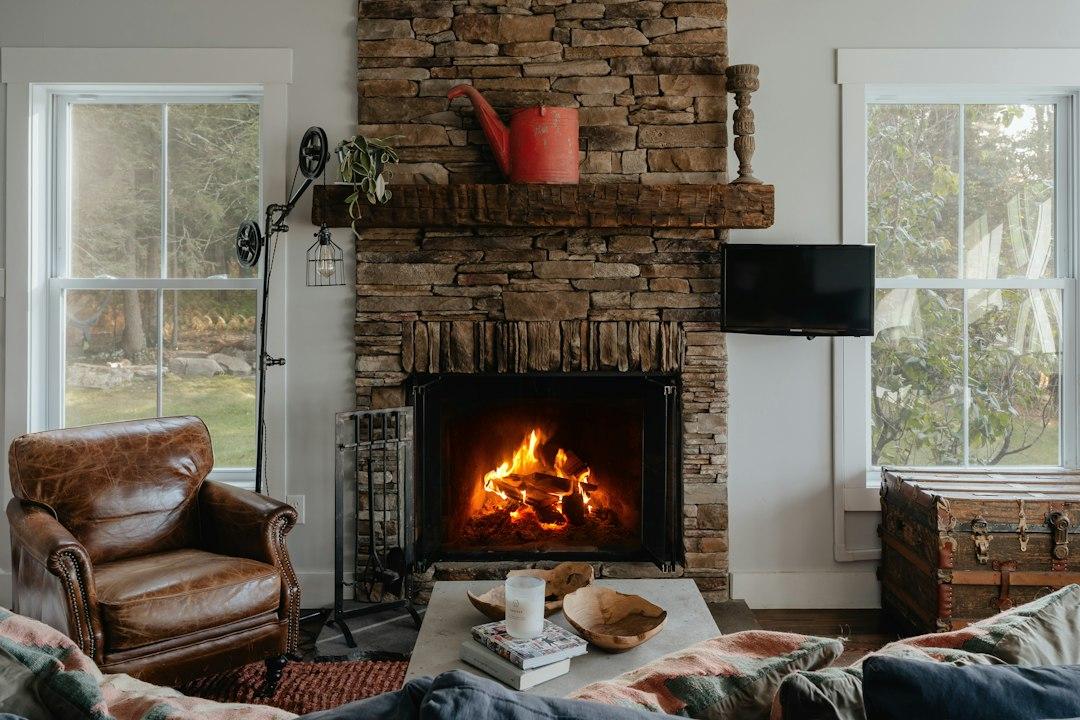
For an owner, a chimney leak almost never starts on the roof. It starts with a text from a tenant: a brown mark on the wall next to the fireplace, a drip onto the hearth, a musty smell after rain, paint lifting on the ceiling. By then the water has usually been getting in for a while.
This post is for landlords and managers in San Fernando. It covers how a leak is traced in an occupied unit, what the repair costs, and what goes into the record for that unit.
Why a leak costs an owner more than a homeowner
A homeowner with a chimney leak has a repair bill. An owner of a let unit has the bill plus a tenant living with the damage, a habitability question if it is left, a possible insurance claim, and drywall and paint to put right inside someone else's home. Every week the leak runs adds to the inside work.
That is why a leak report from a tenant is worth acting on at the first rain, not at the end of the season.
Where the water gets in
A chimney has several weak points, and a single leak may come through more than one of them at once:
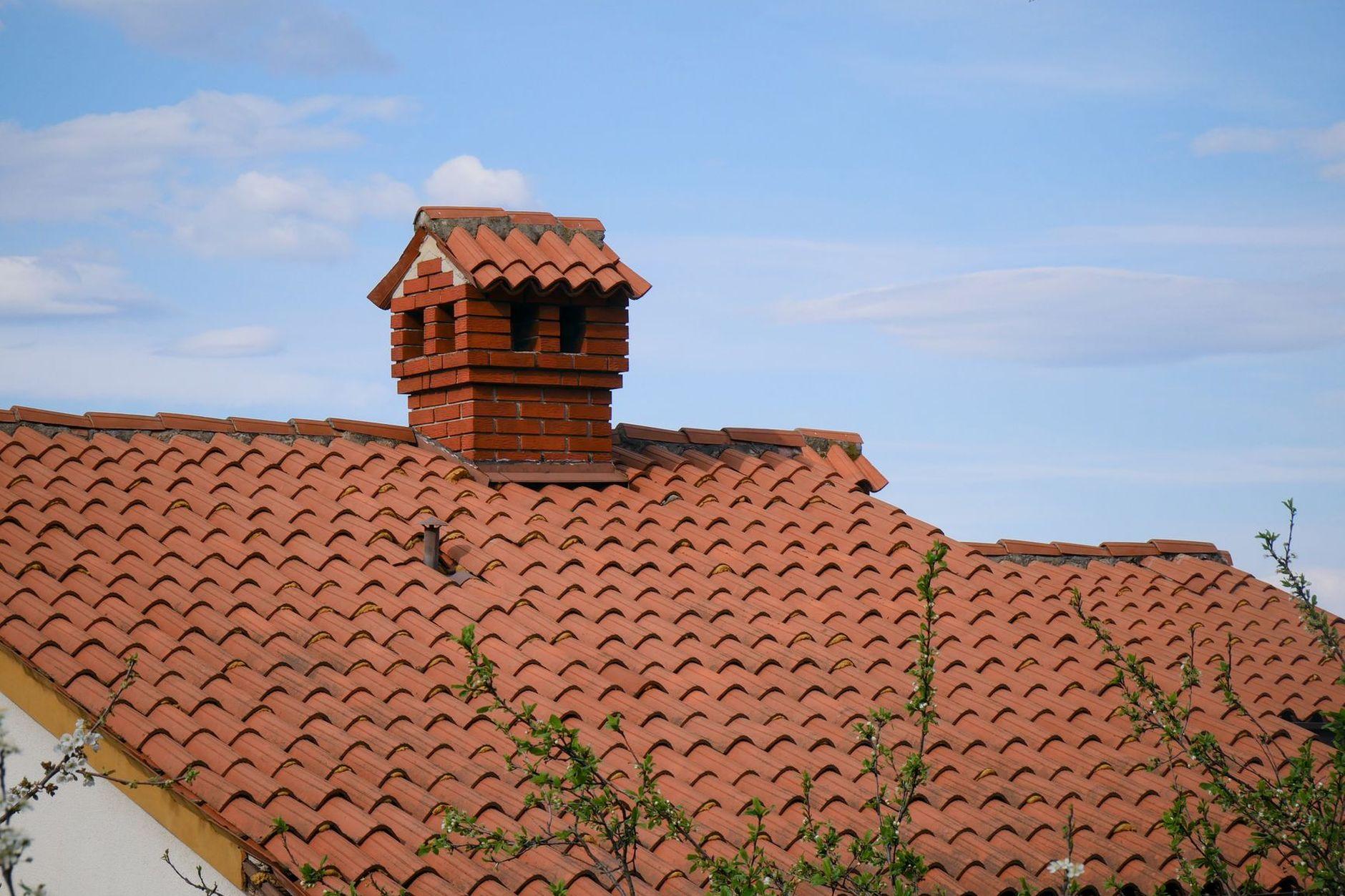
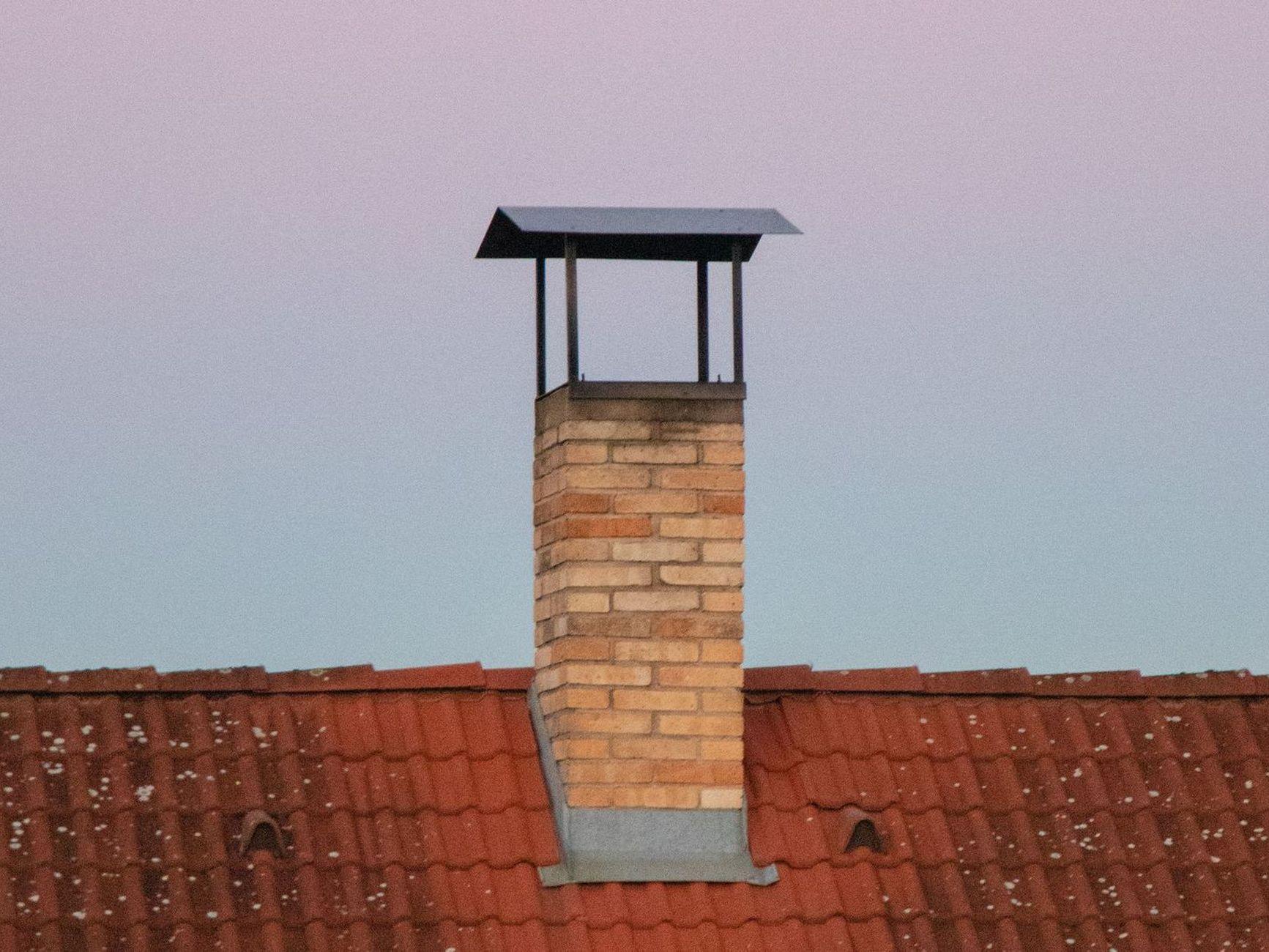
- The top. A flue with no cap takes rain straight down. A crown that has cracked lets water into the brick below it.
- The roof joint. Flashing is the sheet metal closing the joint where brick meets roof. Once it lifts, rusts or comes loose from the mortar, water runs behind it.
- The uphill side. A wide stack on a sloped roof catches water and leaves above it, which sit against the brick and the flashing.
- The brick and mortar. Worn joints and porous brick take in water over a long wet spell.
- A metal chimney in a boxed frame. The flat metal top of the box rusts and holds water, which runs inside the frame.
How we trace it in an occupied unit
Tracing a leak in a let unit needs two visits to line up: one on the roof and one inside. We plan both into a single window where we can.
Inside, we look at where the stain sits and how far it spreads, check the firebox and the damper for rust, and look into the attic where the chimney passes through. Outside, we work over the cap, crown, flashing and brick until we can tie the stain to a source. If the cause still hides, we run a hose over a single section, then look indoors before moving to the next. The tenant only needs to be home for the inside part.
Each finding is photographed and tied to the unit in the report, so the source of the damage is on record before any repair starts.
The figures
Leak work on our price list falls into a few lines. These are this site's own figures:
- Tracing the leak and fixing the source: $595 to $3,550.
- A diverter built on the uphill side of a wide stack: $475 to $1,070.
- That diverter plus all of the roof flashing renewed: $715 to $1,750.
A cap for a flue that was taking rain straight down is quoted after we measure.
The low end of the leak figure is a single clear source, such as a run of loose flashing on an easy roof. The biggest job is water coming in at more than one point, or repairs on a tall stack that is hard to reach.
Crown rebuilds, masonry work and water-repellent treatment depend on how much of the chimney is affected, so each gets its own written price once we have seen it. See chimney crown repair and chimney waterproofing.
What decides your price
The number of entry points and the height of the stack decide where in the range a job falls. Use the form on this page to tell us the unit address, where inside the water shows, how many rains it has shown up after, and whether the tenant can let us in. We set the visit and you receive a written price for the repair before anything is fixed.
Records for the owner and the insurer
For each leak job, the unit's file gets:
- the date the tenant reported it, if you give us that;
- photos of the inside damage and of each source we found outside;
- what we repaired and what it cost;
- photos of the finished work.
If you are making an insurance claim, that sequence is what the adjuster asks for. If the tenant raises the leak later, it shows when it was reported and when it was fixed.
Interior repairs
We fix the chimney and the roof joint around it. The drywall, paint and any flooring inside the unit are work for your own trades. We tell you when the chimney side is done and dry, so the interior work is not redone after the next storm.
Preventing the next one
Most leaks on rental chimneys come back to three things: no cap, a cracked crown and flashing that was never right. A yearly inspection catches all three before a tenant does. Our post on what sets the price of a rental chimney cap covers the simplest of the three fixes, and the chimney leak repair page sets out the work in full.
Common questions
Can the tenant stay in the unit during the repair? Almost always. Most leak work happens on the roof.
Will one repair stop it for good? If there was one source, usually. Where there were several, we fix all of them in the same job rather than one at a time.
Should the fireplace be used meanwhile? If water has reached the damper or the firebox, we may flag it not to be used until the repair is done.
Next step
When a tenant reports water near the fireplace, send the details through the contact page and we will set the roof visit.
Put Your Units on the Schedule
Curran crews leave from San Fernando for rentals in Canoga Park, Los Angeles, Beverly Hills and across the county. Each unit gets its own dated report, and repairs wait for a signed scope.